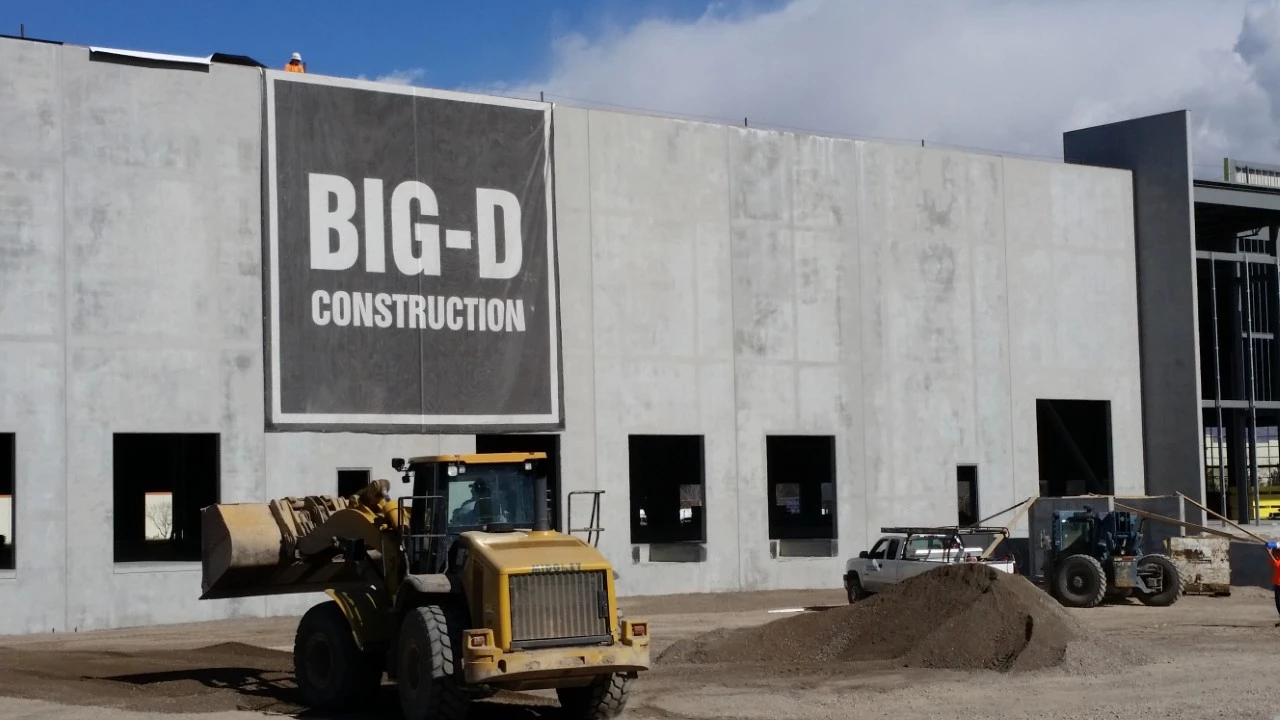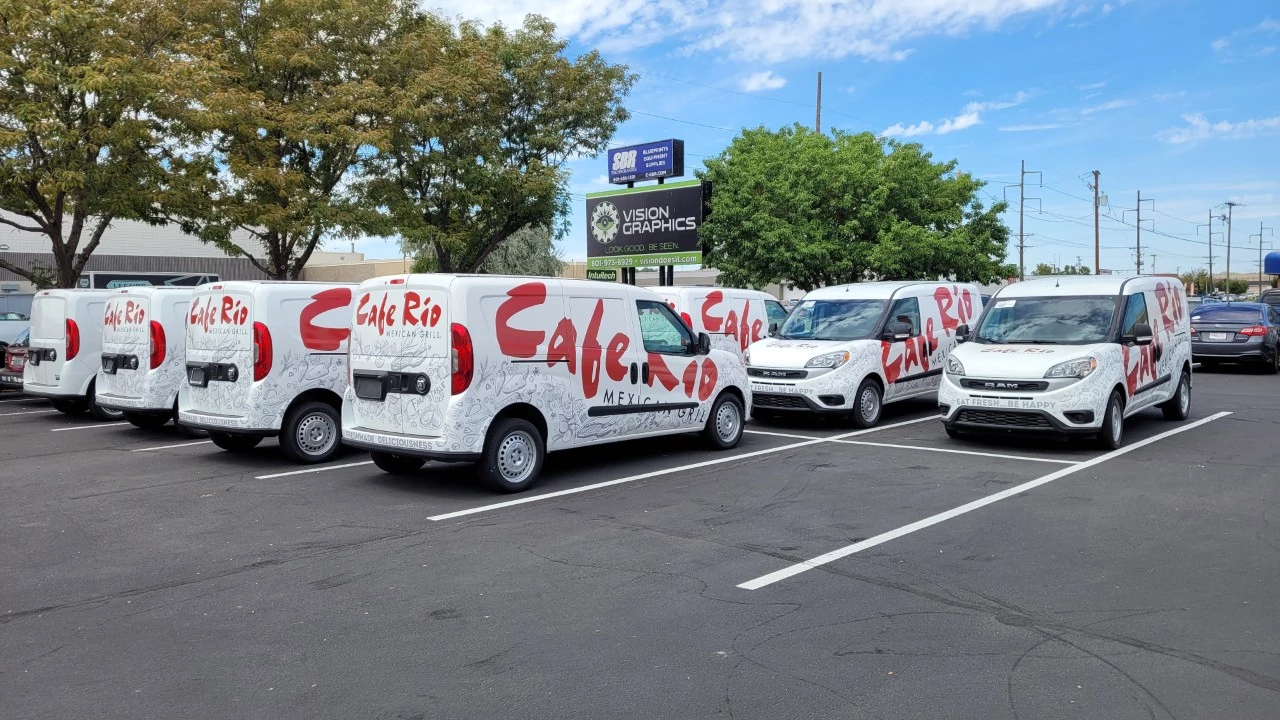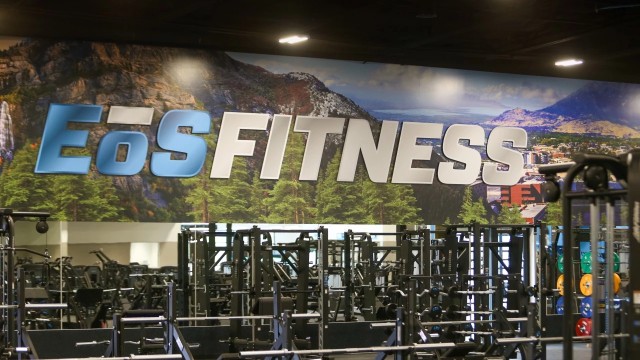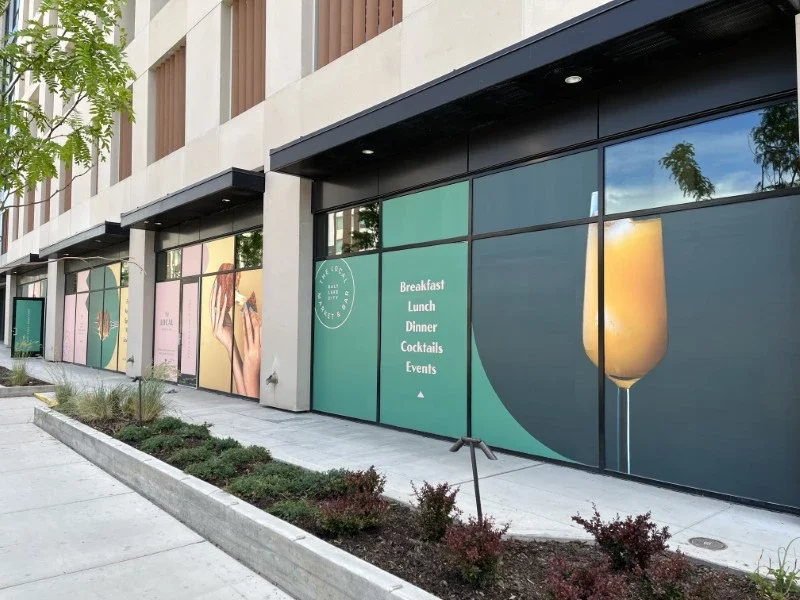
1. Define the message and the viewing point
Write down what someone should know or do after seeing the sign. Then identify where that person will be: driving toward a storefront, standing at the entrance, walking through a lobby or reading a room identifier. These situations call for different sizes and information. Photograph the actual approach so the design can be judged in its environment. Remove secondary content that makes the main message harder to read.
2. Record the site and the surfaces
List the full installation address, approximate dimensions and quantities. Take wide and close-up photographs of the wall, glass, fence or vehicle. Note surface condition, paint, coatings, existing graphics, fixtures and access restrictions. For a larger building, create a simple sign schedule with a reference for each location. That list becomes the shared record for quoting, approvals and installation.
3. Check the property and local review process
Ask the property manager for sign criteria and permission requirements. Confirm the installation jurisdiction and use the current official process for Reno, Sparks or the relevant county area. Reno provides a sign-permit checklist and online permit submission resources; Sparks has its own building and planning contacts. Requirements depend on the site and proposed work. Do not treat a general guide as approval for an individual sign.
4. Compare complete scopes
A quote should identify artwork, materials, finishes, mounting, delivery and installation. Ask whether removal, wall repairs, electrical work, access equipment and approval-related tasks are included when relevant. Compare options with the same assumptions. A lower fabrication price may cover a different material or omit work that the project still needs. Discuss the required completion date before promising an opening or event schedule.
5. Approve the details that become expensive later
Check spelling, phone numbers, room names, dimensions and orientation on the proof. Review colors and material samples where appearance is important. Confirm the installation plan and any prerequisites before production. Keep the final artwork, sign schedule and specifications after completion. Those records help future repairs, replacements and additional locations stay consistent.
MATERIALS & APPROACHES
Find the right fit.
Where it can work
- New business openings
- Tenant improvements
- Brand refreshes
- Multi-location projects
A few useful answers.
Where do I start with Reno sign permits?+
Use the City of Reno’s current Building Permits resources and sign-permit checklist. Confirm the requirements for your address and sign type with the responsible department.
Can I use one checklist for both Reno and Sparks?+
Use a common project brief, but confirm each jurisdiction’s own requirements. Property-owner approvals may also differ by location.
What is the most useful thing to send first?+
The full address and clear photographs, together with the message, rough size and deadline, usually establish the most useful starting point.